
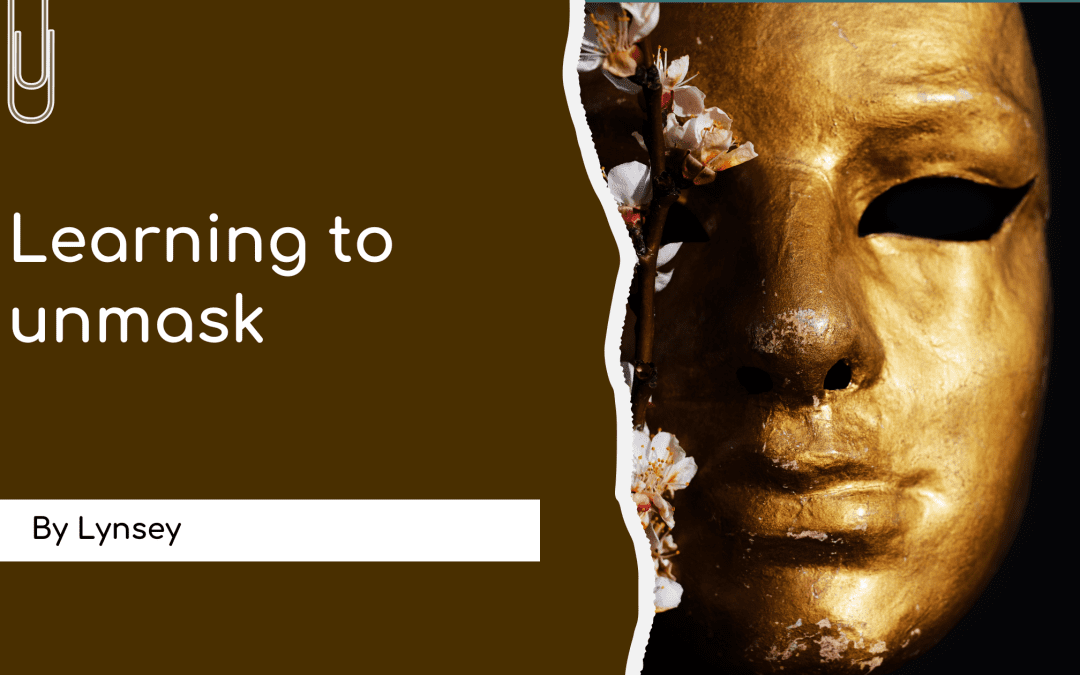
Learning to Unmask: Embracing My Neurodivergent Self
What if the very things you were told to hide about yourself turned out to be your greatest strengths?
When we talk about what makes humans so wonderfully varied, we have to talk about neurodiversity. Our brains work in countless different ways, and that’s not just okay, it’s part of what makes us creative, innovative, and capable of amazing things. Imagine if everyone thought the same way; would we still have the art, literature, scientific discoveries, or even space travel that we do today? It’s often the people who see the world differently who challenge the status quo and push us forward.
For a long time, though, I didn’t see that in myself.
Imagine if everyone thought the same way; would we still have the art, literature, scientific discoveries, or even space travel that we do today?
Hiding Who I Was
I’m a late-diagnosed AuDHDer. Looking back, I can see that I’ve always been a creator, a problem-solver, someone who asks why and sees new ways of doing things. But in school and early in my career, I learned that speaking up or challenging inconsistencies wasn’t always welcome.
So, I adapted. I masked. I became a chameleon, changing myself to fit different environments and people. Over time, I built a version of myself that others found acceptable: the bubbly achiever, the person with the can-do attitude. And I was good at it.
But masking came at a cost, to my mental health, my energy, even my sense of self. It took me nearly 50 years to realise that the parts of me I’d hidden -the questioning, challenging, justice-seeking parts were also the parts that made me who I am.
I adapted. I masked. I became a chameleon.
Finding My Way Back
My diagnosis was a turning point. Suddenly, everything made sense: the sensory needs, the social exhaustion, the deep empathy that sometimes felt out of step with the world. I realised I wasn’t broken. I didn’t need fixing.
For so long, I’d measured myself against society’s standards of productivity the constant push to do more, achieve more, be more. But that system isn’t built for everyone, and it certainly wasn’t built for me. Understanding my neurodivergence helped me stop trying to fit into a mould that was never mine to begin with. I’m not there yet, but I’m getting there
Know this: when we support neurodivergent people to be themselves, we open the door to incredible creativity and innovation.
Reclaiming My Strengths
Today, I see those so-called “difficult” traits for what they really are: catalysts for change. My ability to speak up, to question, to look at things differently, those are strengths. They’re also the same qualities that help me support and empower others.
I’ve embraced the things that bring me joy and calm: my own company, disappearing into books, collecting shells and stones, wandering through woods, taking 1000s of photos, watching Lord of the Rings or Buffy on repeat. These parts of me are just as valid as the ambitious, energetic side people have always seen.
Living Authentically
I’m still learning, still figuring out how to create change from within; in my work, my community, and myself. But I know this: when we support neurodivergent people to be themselves, we open the door to incredible creativity and innovation.
We don’t need to be fixed. We need to be understood.
If you’ve ever felt out of step with the world, I hope this reminds you , you’re not alone. And there’s strength in the very things that make you different.
Lynsey
This article was written by a past coaching client and the Community Advisor for WayMakers whom we are proud to have as a guest contributor to our site.


Recent Comments